
Sarasota, Florida 34239
Schedule a Consultation
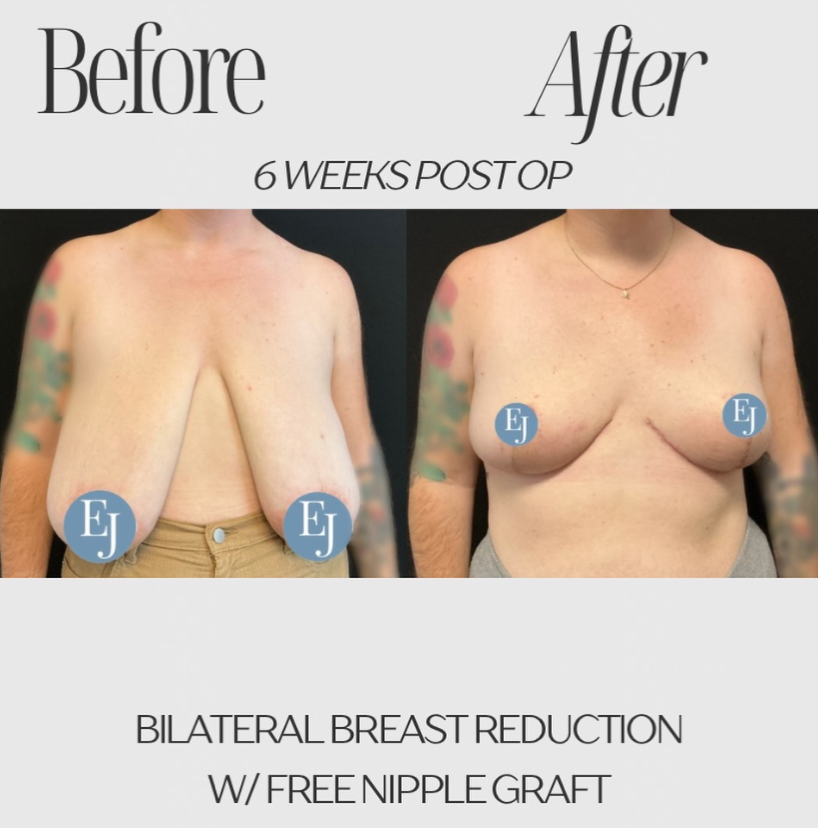
For some women, large breasts can be a source of discomfort or a deterrent to a an active lifestyle. The medical term for this is symptomatic macromastia. There is relief for these symptoms in the surgical breast reduction. Dr. Jiles of Jiles Cosmetic Surgery is a talented cosmetic surgeon with fellowship training in breast reduction, breast lifts as well as many other procedures. Dr. Jiles offers breast reduction surgery in Sarasota, Fl.
A breast reduction is a surgery removes excess breast tissue, fatty tissue, and skin to ultimately reduce the size of the breasts. The areolas (pigmented skin around the nipples) are often reduced in size as well in the process. The end result is the breasts are reshaped and lifted to their proper position on the chest wall. The procedure may be customized somewhat based on the desired resultant size of the individual patient.
Not all breast reductions require incisions, In some cases, large breasts may be reduced with liposuction as well. In your consultation with Dr. Jiles, she will discuss with you what your best option will be to get your best possible result.
Most women seeking to reduce their breasts experience similar symptoms. Over years, symptoms of large breasts may worsen causing more discomfort. The common issues affecting women with large breasts include but are not limited to the following :
Ideal candidates are not smokers, or are able to stop all nicotine products and vaping for 1 month prior and 1 month after the surgery. This is important for blood supply to the nipples and the skin of the breasts. In general, good candidates for elective surgery do not have uncontrolled medical conditions, and their BMI is ideally under 39. These things do not necessarily exclude you from having a breast reduction with Dr. Jiles. If these areas are a concern, be sure to ask Dr. Jiles and she will make arrangements to best have your needs met to make the surgery as safe as possible.
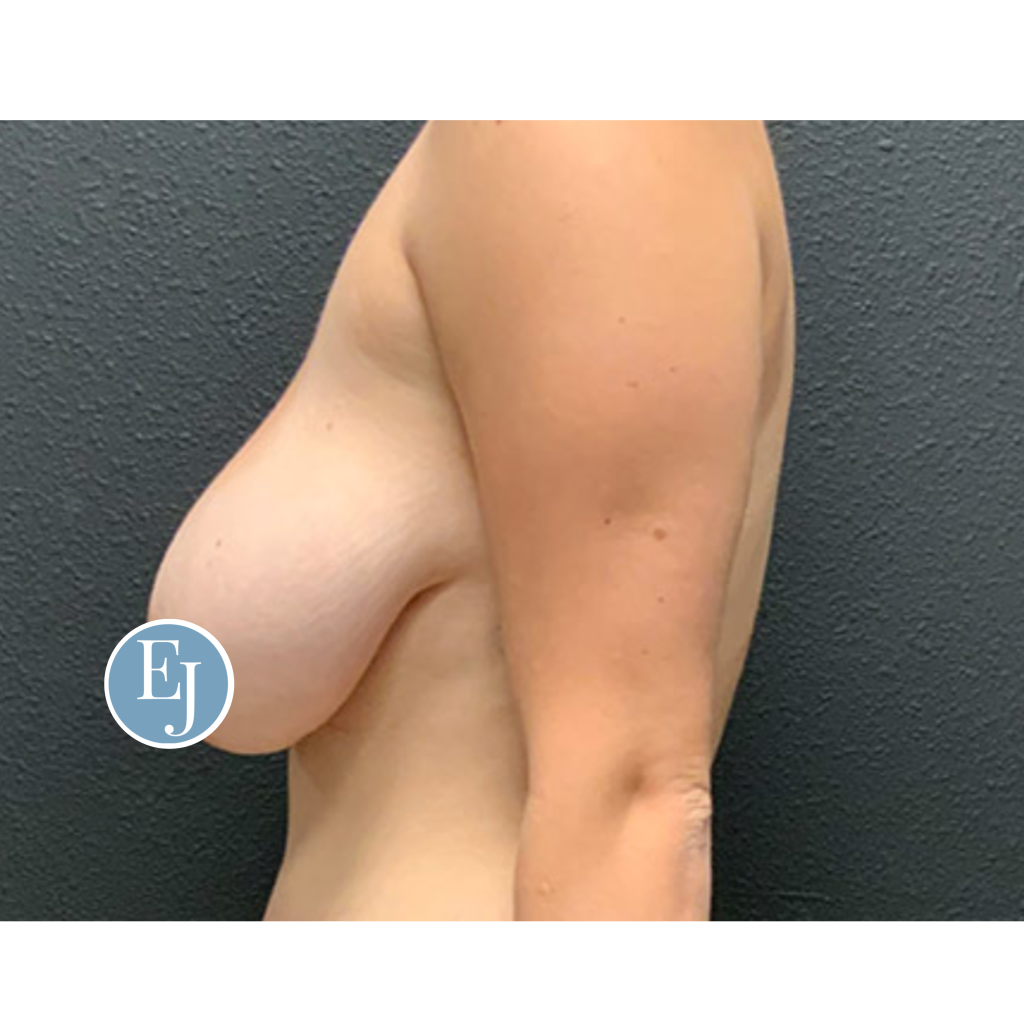
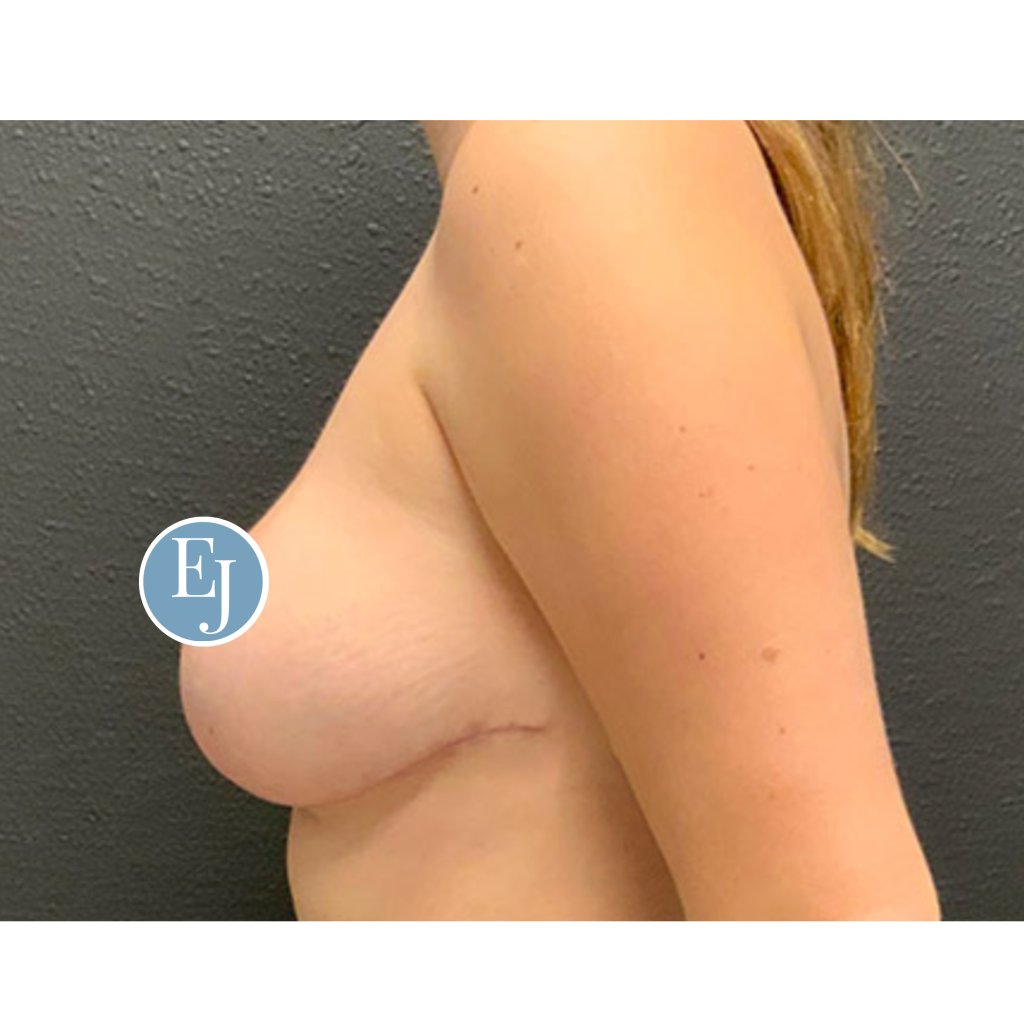
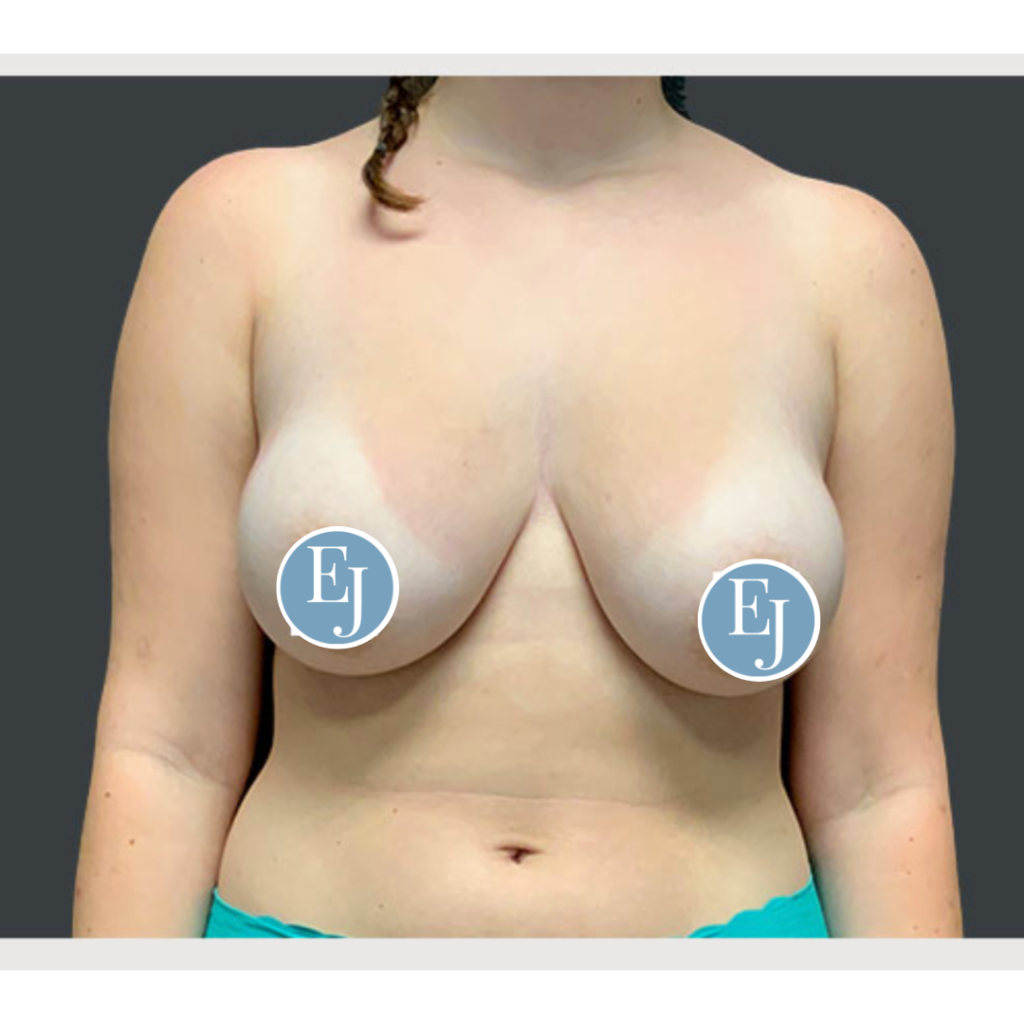
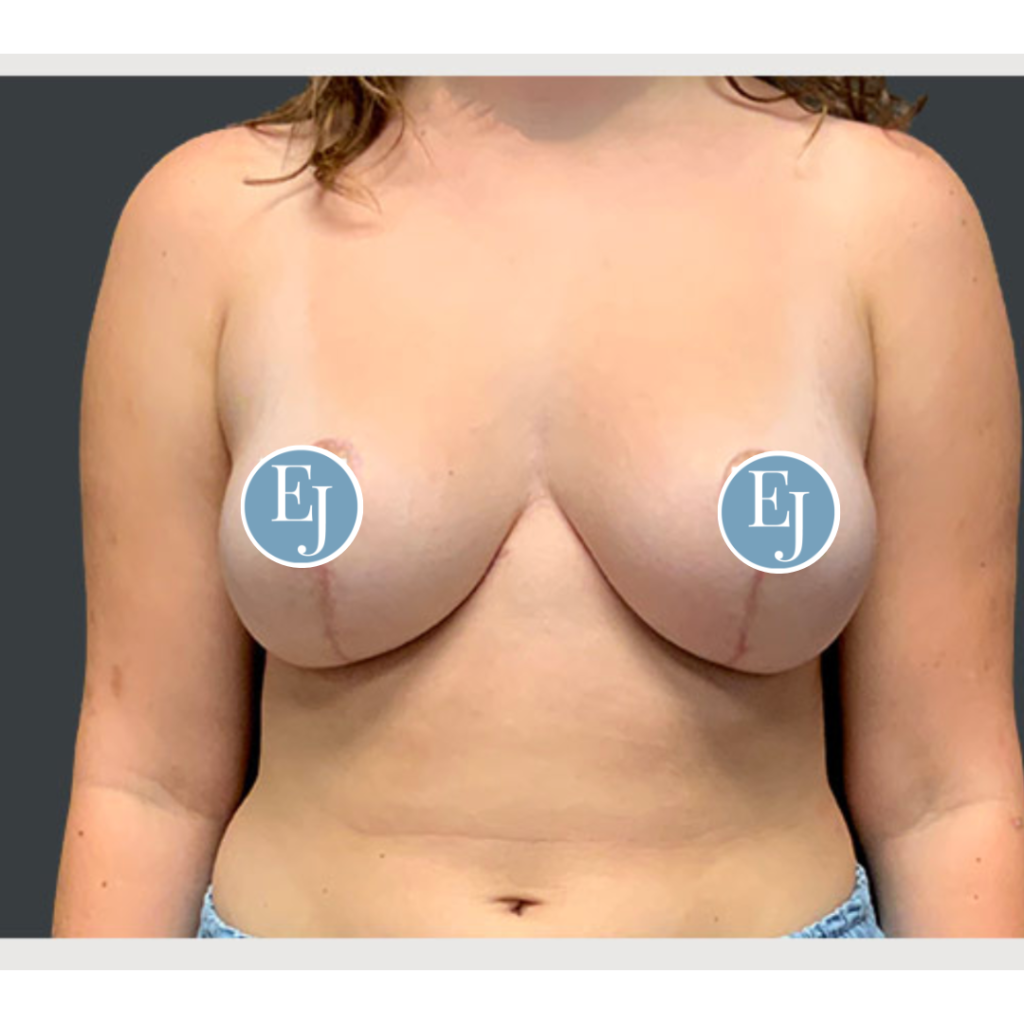
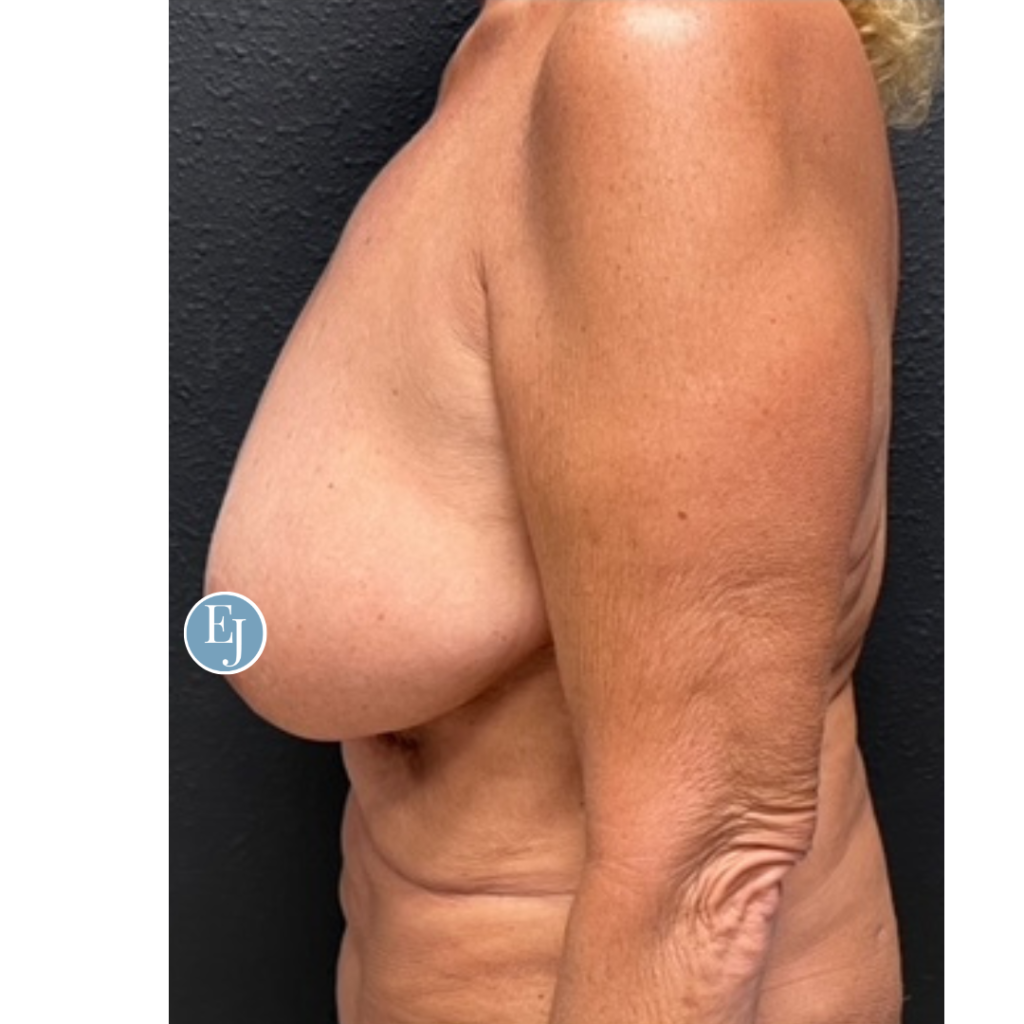
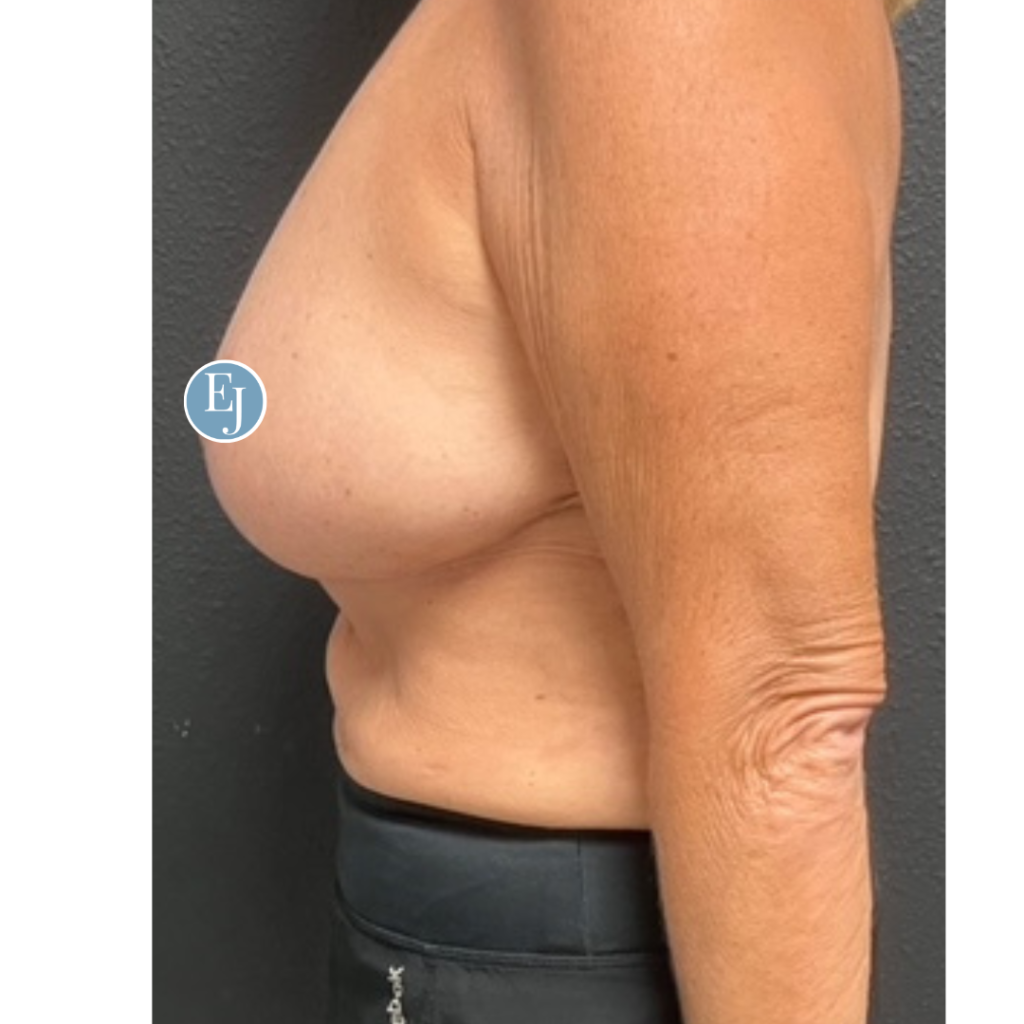
At Jiles Cosmetic Surgery, we celebrate every patient’s journey toward greater comfort, confidence, and well-being — and no story illustrates that better than the recent transformation featured in People Magazine. In a social media post that has since gone viral, a woman who once wore a 42G bra size bravely shared her years-long battle with chronic discomfort, self-consciousness, and limitations in daily life due to the strain of extremely large breasts. After finally moving forward with a breast reduction with Dr. Jiles, she described the experience as nothing short of life-changing.
Learn more about her journey before and after her breast reduction.
You will have your consultation with Dr. Jiles at Jiles Cosmetic Surgery, where she will get your detailed medical history and do a breast exam. At that time, it is particularly important to discuss your exact goals for the breast reduction, and bring up any history relevant to your breast health such as family history of cancer or recent mammograms.
For many patients, breast reduction is not purely an aesthetic decision. It is also a decision about physical comfort, daily function, and quality of life. We approach it with both of those realities in mind, understanding that the concerns driving patients to consider this procedure are often as practical as they are personal.
Dr. Jiles is a member of the American Board of Cosmetic Surgery, the American Academy of Cosmetic Surgery, and the American College of Surgeons, and brings that professional foundation to every patient interaction. Her approach to breast reduction centers on achieving a result that looks natural and balanced, removing enough volume to provide meaningful relief while creating a shape that suits your frame and proportions.
Our consultation process gives us the chance to listen carefully to what has been difficult for you and what you hope life will feel like after surgery. We take the time to be clear about what the procedure involves, what recovery typically looks like, and what realistic outcomes are. We do not inflate expectations, and we do not minimize the significance of the decision you are considering.
Many patients describe our practice as the first place they felt genuinely understood during the process of exploring this surgery. Our all-female team brings a particular attentiveness to what it means to live in a body that causes daily discomfort, and we work to reflect that understanding in how we care for patients from the first conversation through follow-up. We serve patients from Sarasota and the surrounding region, including Bradenton, Tampa, and St. Petersburg.
Your surgery will be performed at our outpatient surgery center, Jiles Cosmetic Surgery. On the day of your surgery a licensed anesthesia provider will place you under general anesthesia. During that time you will be closely monitored by them for your safety and comfort.
During the surgery, local anesthetic will be injected into the breasts to assist with postoperative comfort and control bleeding during the procedure. The majority of the excess breast tissue and skin from the bottom of the breast is removed, and nipples are resized to an appropriate, proportional size and rotated upward into place. Any necessary additional contouring will take place at that time as well. The whole procedure takes approximately two and half to three and a half hours depending on the breast size and contouring necessary.
As you recover, you will be assisted by one of our excellent nursing staff and find that you have a soft, compressive surgical bra in place. You will have post operative medications prescribed such as pain medication to keep you comfortable, as well as antibiotics.
Anticipate approximately 2 weeks off from work following the procedure to optimize the comfort of your recovery. The worst phase of your post operative pain will subside after the first few days. You will need to avoid driving for about 2 weeks until it is comfortable for you to wear your seat belt. You will be instructed to refrain from heavy exercise for 4 to 6 weeks, and avoid lifting over 5 pounds for the same amount of time. Typically, a soft non restrictive bra is encouraged until 3 months after the surgery to allow the tissues to “settle.”
You will immediately notice the difference in the weight of your breasts after the surgery. Most women at this point report they have immediate improvement in their neck and back pain. The breasts may feel firm and tender for the first month after surgery, and will continue to soften and “settle” as they heal. The incisions are surrounding the areolas, straight down the middle of the breast, and under neath the breast (anchor configuration). They will appear as red lines on fair skin and darker lines on dark skin as they heal, and will slowly lighten over the course of a year.
Price is an estimate and does not include anesthesia or facility fees.
Price is an estimate and does not include anesthesia or facility fees.
Price is an estimate and does not include anesthesia or facility fees.
Price is an estimate and does not include anesthesia or facility fees.
Price is an estimate and does not include anesthesia or facility fees.
Price is an estimate and does not include anesthesia or facility fees.
Price is an estimate and does not include anesthesia or facility fees.
As with any surgery, a breast reduction comes with some risks. These may include bleeding, infection, fluid collection, delayed healing, visible scarring, asymmetry, changes in nipple or breast sensation, and the possibility of needing a revision in the future.
Breast reduction also involves important conversations about nipple position, breast shape, tissue removal, and future breastfeeding goals. Some patients may experience reduced ability to breastfeed after surgery, and sensation changes can be temporary or lasting. We discuss these considerations honestly so patients can understand how technique, anatomy, and personal priorities influence the surgical plan.
Scarring is expected with breast reduction, but our goal is to place incisions strategically and support healthy healing after surgery. For patients in the Sarasota area, where an active outdoor lifestyle is common, we also talk about realistic timelines for returning to activities like swimming, exercise, and extended sun exposure, since these factors can influence how incisions heal. Patients who smoke, have certain medical conditions, or experience major weight changes may face a higher risk of healing concerns or changes in their final result. We review these factors before surgery so we can plan responsibly.
If breast size affects your comfort, posture, activity level, or confidence, we can help you understand whether reduction surgery is a safe and appropriate option for your goals. We will also discuss how much tissue can reasonably be removed while preserving proportion, shape, and blood supply to the nipple and areola.
To schedule a personal consultation with Dr. Emily Jiles, contact our office today.
Breast reduction, also called reduction mammaplasty, is a surgical procedure that removes excess breast tissue, fat, and skin to create a smaller, lighter, and more proportionate breast shape.
The procedure also lifts and reshapes the breasts. The areolas may be reduced in size, and the nipple and areola are repositioned higher on the breast while maintaining the tissue needed to support their blood supply.
At Jiles Cosmetic Surgery, breast reduction is performed under general anesthesia at our outpatient surgery center. Local anesthetic is also used during surgery to help with postoperative comfort and bleeding control.
The exact surgical plan depends on your anatomy, breast size, skin quality, symptoms, and desired result. For some patients, breast liposuction may also be used when fatty tissue contributes significantly to breast volume or when additional contouring is appropriate.
During your consultation, Dr. Jiles will examine your breasts, discuss your goals, and explain which approach is most appropriate for your anatomy.
The technique used for breast reduction depends on how much tissue needs to be removed, how much lifting and reshaping are required, and the patient’s individual anatomy.
For a traditional breast reduction, Dr. Jiles commonly uses an anchor-shaped incision pattern. This includes an incision around the areola, vertically down the lower breast, and along the crease beneath the breast.
This approach allows excess tissue and skin to be removed while the remaining breast tissue is reshaped and lifted into a more proportional position.
Additional liposuction may be used around the lateral breast or front of the armpit to improve contour when appropriate.
Some patients whose breast size is primarily related to fatty tissue may be candidates for breast liposuction rather than a traditional reduction. Liposuction does not provide the same degree of lifting or skin removal, so it is not appropriate for every patient.
If breast sagging is a primary concern without the need for substantial volume reduction, Dr. Jiles may also discuss whether a breast lift better matches your goals.
Good candidates for breast reduction are generally healthy patients whose breast size causes physical discomfort, limits activity, or feels out of proportion with the rest of their frame.
Common reasons patients consider breast reduction include:
Candidacy is not based on cup size alone.
Dr. Jiles also considers your overall health, nicotine use, medications, previous surgeries, breast-health history, healing risk, and other factors that may affect surgery or recovery.
Patients should not smoke or use nicotine products, or must be able to stop nicotine and vaping for the period Dr. Jiles recommends before and after surgery.
The best way to determine whether breast reduction is appropriate for you is through an individualized consultation and physical examination.
Breast reduction is a significant surgical procedure, and like any surgery, it carries potential risks.
Possible complications can include:
Breast reduction can also affect the ability to breastfeed in the future. Some patients experience temporary changes in sensation, while others may have longer-lasting changes.
Healing risks can also be affected by nicotine use, certain medical conditions, major weight changes, and individual anatomy.
During your consultation, Dr. Jiles will review the risks that apply to your proposed procedure and discuss how breast size, tissue removal, nipple position, and your personal priorities affect the surgical plan.
Most patients can expect soreness, tightness, swelling, tenderness, and pressure during the early stages of breast reduction recovery.
Dr. Jiles’ current recovery guidance notes that the most uncomfortable portion of recovery typically improves after the first several days, although every patient’s experience is different.
During surgery, local anesthetic is injected into the breasts to help with postoperative comfort. Prescription medications may also be provided after surgery to manage discomfort and support recovery.
The breasts may continue to feel firm and tender during the first month as swelling decreases and the tissues begin to settle.
Pain should generally improve as recovery progresses. Increasing pain, fever, unusual drainage, significant swelling, or another unexpected change should be reported to the surgical team promptly.
Most patients should plan for approximately two weeks away from work following breast reduction surgery, although recovery varies depending on the procedure, your occupation, and how your body heals.
Dr. Jiles’ typical recovery guidance includes:
Swelling, tenderness, firmness, and visible incision color are expected early in recovery.
The breasts gradually soften and settle as healing progresses. Breast reduction scars also continue to mature and typically change in appearance over the course of approximately a year.
Your individual timeline may be different, so Dr. Jiles will provide specific instructions based on your surgery, healing progress, work responsibilities, and activity level.
You can also review breast reduction before and after photos to see examples of results at different stages of healing.
Choose a breast reduction surgeon based on relevant surgical training, experience performing breast procedures, the safety of the surgical setting, before-and-after results, and how clearly the surgeon explains the procedure and its risks.
During your research, consider asking:
Dr. Emily Jiles completed a general surgery residency followed by fellowship training in cosmetic surgery. She is a member of the American Academy of Cosmetic Surgery and the American College of Surgeons and has extensive training in breast and body procedures.
You can learn more about Dr. Emily Jiles and her training before scheduling your consultation.
A breast reduction consultation gives you and Dr. Jiles an opportunity to determine whether surgery fits your anatomy, symptoms, health history, and goals.
Your consultation includes a detailed medical history and breast examination. Dr. Jiles will also discuss what you would like to change and what can realistically be achieved with surgery.
Before your appointment, be prepared to discuss:
It can also help to think about your goals in practical terms, such as improving exercise comfort, reducing neck or back discomfort, improving clothing fit, or creating a breast size that feels more proportionate to your frame.
The consultation is also the right time to discuss incision placement, scarring, recovery restrictions, nipple sensation, breastfeeding, expected results, and any concerns you have about surgery.
To discuss whether breast reduction is right for you, schedule a consultation with Dr. Jiles at her Sarasota practice.